A firsthand comparison of Barcelona and Cuenca, Spain—from Gaudí's bustling metropolis to Cuenca's s
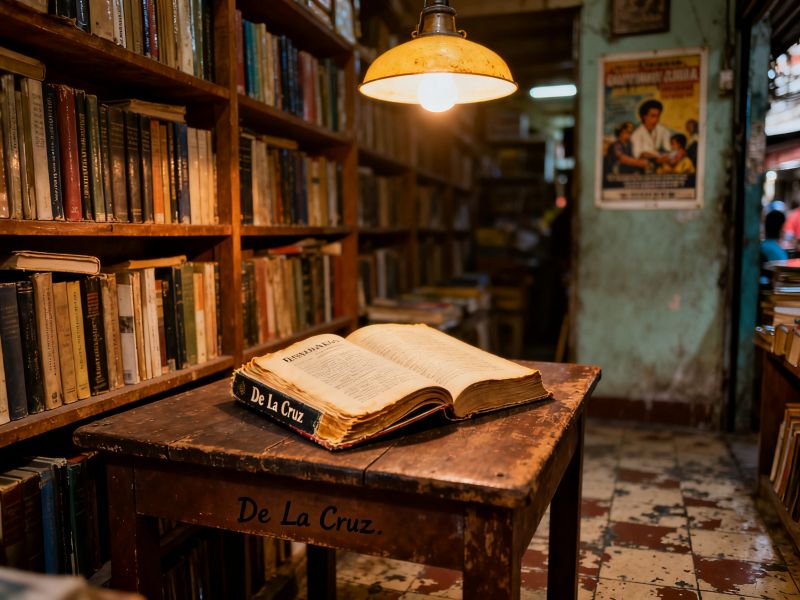
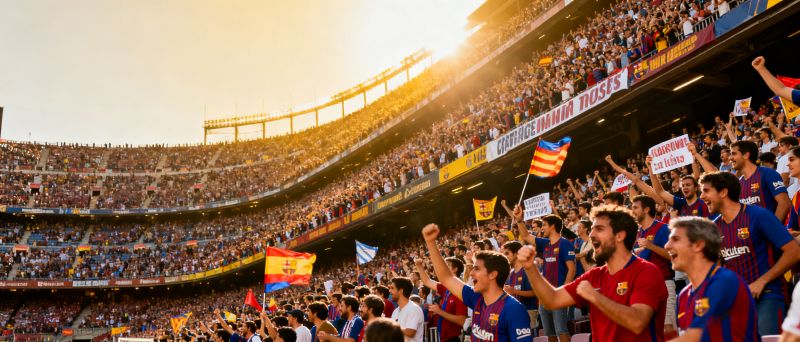
Barcelona and Cuenca sit at opposite ends of Spain's urban spectrum. One is a Mediterranean metropolis of 1.6 million, its name synonymous with Gaudí's organic architecture and a relentless tourist tide. The other is a walled hilltown of 55,000 in Castilla-La Mancha, where the houses cling to a gorge like swallows' nests and the silence is broken only by the Júcar and Huécar rivers far below. I made the journey by train last spring—a six-hour ride that felt less like a commute and more like a slow-motion time-lapse of Spanish history.Barcelona's grip on the senses is immediate. The Gothic Quarter's narrow alleys open onto hidden plazas where the clink of vermouth glasses starts before noon. The Eixample's grid is a playground of modernisme, each façade competing for attention. But the city's success has a cost: in 2023, locals protested overtourism with water pistols, and the city council announced plans to phase out short-term rentals by 2028. After three days。I felt a strange fatigue—not from walking, but from the pressure of so much identity. Even the sea breeze seemed to carry a 12% service charge.Cuenca resets the scale. From the bus station。the old town looms above the ravines, a jumble of whitewashed façades and red roofs that has barely changed since the 16th century. The famous hanging houses (casas colgadas) dangle over the Huécar gorge, their wooden balconies creaking underfoot. I climbed to the top of the Mangana tower and counted maybe a dozen other visitors. The local market sells morteruelo—a game pâté I'd never heard of—and the vendor explains it's best with bread and a glass of Valdepeñas. There's no queue for the cathedral's stained glass, no timed-entry ticket. Cuenca doesn't perform for you;it just exists.
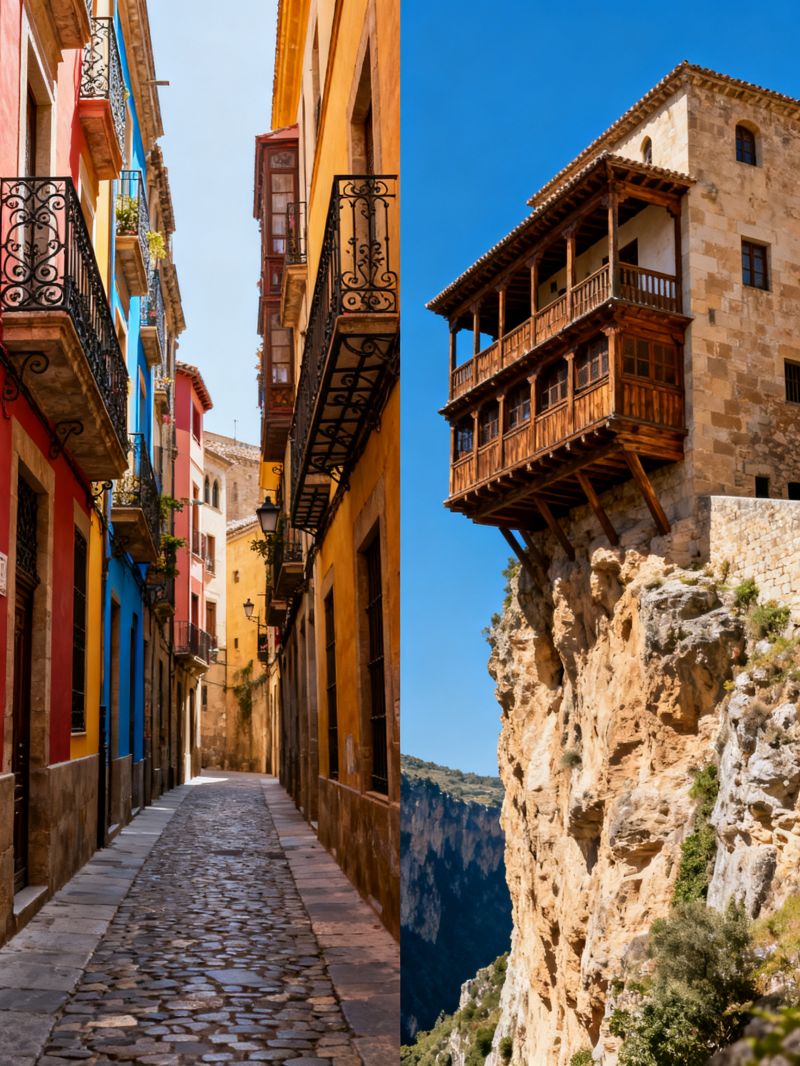
That contrast might explain why the two cities feel like different countries. Barcelona's rhythm is fast, multilingual, and built for convenience—bike lanes, 24-hour metro, airport express. Cuenca runs on a slower clock: the bus to the train station comes twice an hour, and the ticket office closes for lunch. But what Cuenca lacks in vibrancy, it gains in texture. The cobblestone streets are uneven and slippery after rain—a genuine hazard, not a decorative feature. The silence at night is so complete you can hear the river echo off the gorge walls. I spent an afternoon doing nothing but watching the light shift on the cliffs。and it felt like a luxury Barcelona's packed itinerary never allows.
Which one wins?That's the wrong question. Barcelona is a city that has learned to seduce and then charge you for the pleasure. Cuenca offers no such transaction—it's indifferent to your presence, and that indifference is oddly liberating. If you need energy and architecture。Barcelona delivers. If you need space to think, Cuenca leaves you alone with your thoughts. Both are essential to understanding Spain, but only one lets you hear your own footsteps.