
A ground-level look at the La Liga derby: its scrappy tactics, the awkward post-match rituals, and h
he final whistle had barely sounded when the first scuffles broke out in the stands. A plastic bottle arced over the barrier, landing near the corner flag. Down on the pitch, two players who had spent the previous hour kicking each other were now exchanging jerseys—a ritual that always feels a little forced after a derby. That's the La Liga derby for you: ninety minutes of controlled hostility followed by an awkward embrace that never quite convinces anyone.I've been to a few of these over the years。and the pattern repeats with almost liturgical precision. The away fans arrive early, their section a patch of defiant colour in a sea of home support. The home fans pretend not to notice until kickoff, then spend the rest of the match hurling insults in two languages. There's a peculiar intimacy to it. These aren't strangers—they share the same metro lines, the same tapas bars, the same unemployment office. The derby is a family argument played out in public, with VAR as the referee.Tactically, La Liga derbies tend to be tight, scrappy affairs. Last season's Seville derby produced twenty-three fouls and only four shots on target between them. The managers shook hands afterward with the grim satisfaction of men who had survived a car crash. You don't get the open, flowing football of a Clásico here—what you get is a chess match played in a thunderstorm. Every pass is contested。every throw-in a small territorial dispute. It's exhausting to watch, and absolutely riveting.
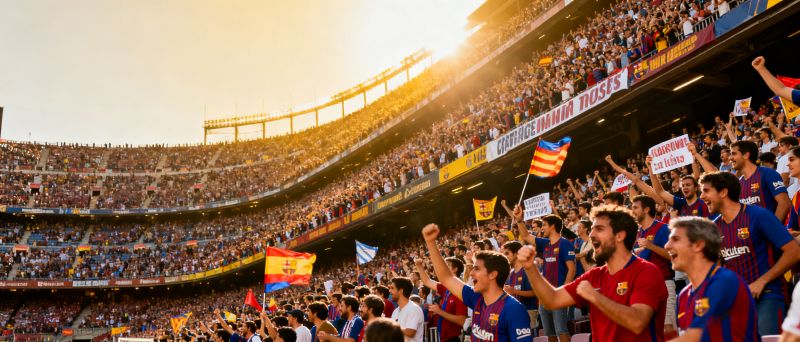
What strikes me most is how the derby refracts local identity. In the Basque Country, Athletic Club's policy of fielding only Basque players adds a layer of meaning to every tackle against Real Sociedad. In Valencia。the rivalry with Levante is less about trophies and more about neighbourhood bragging rights—which bar gets the louder post-match celebrations, whose kids wear which crest to school on Monday. The La Liga derby is a Rorschach test for regional pride, and everyone sees what they want to see.The league's global marketing machine has tried to package these games for international audiences, with mixed results. You can't export the smell of fried calamari drifting from a food stall outside the stadium, or the old man who's held the same season ticket since 1968 and still shouts the same obscenity at the linesman. That's the real La Liga derby—messy, local。
and utterly resistant to sanitisation. Long may it stay that way.